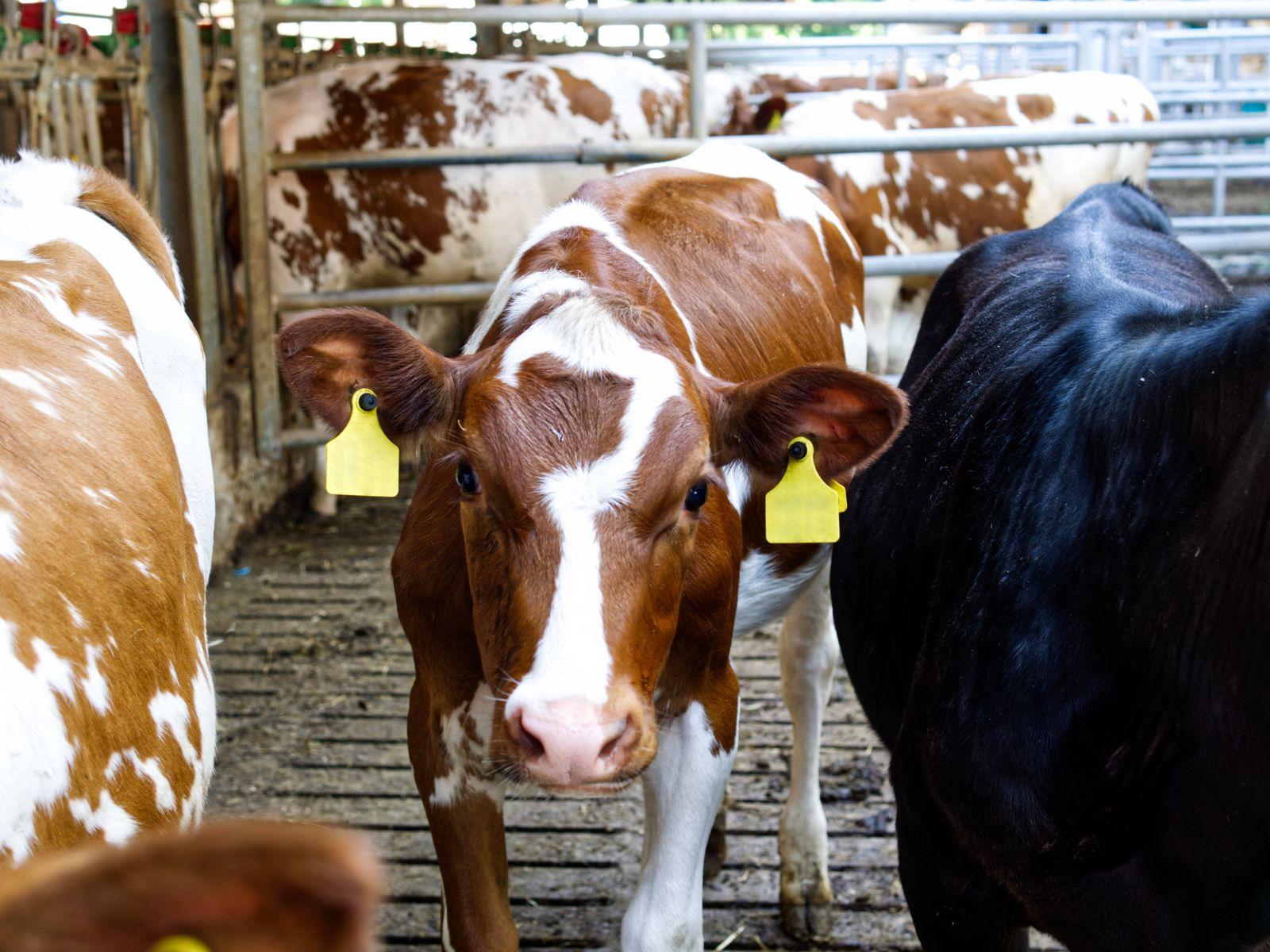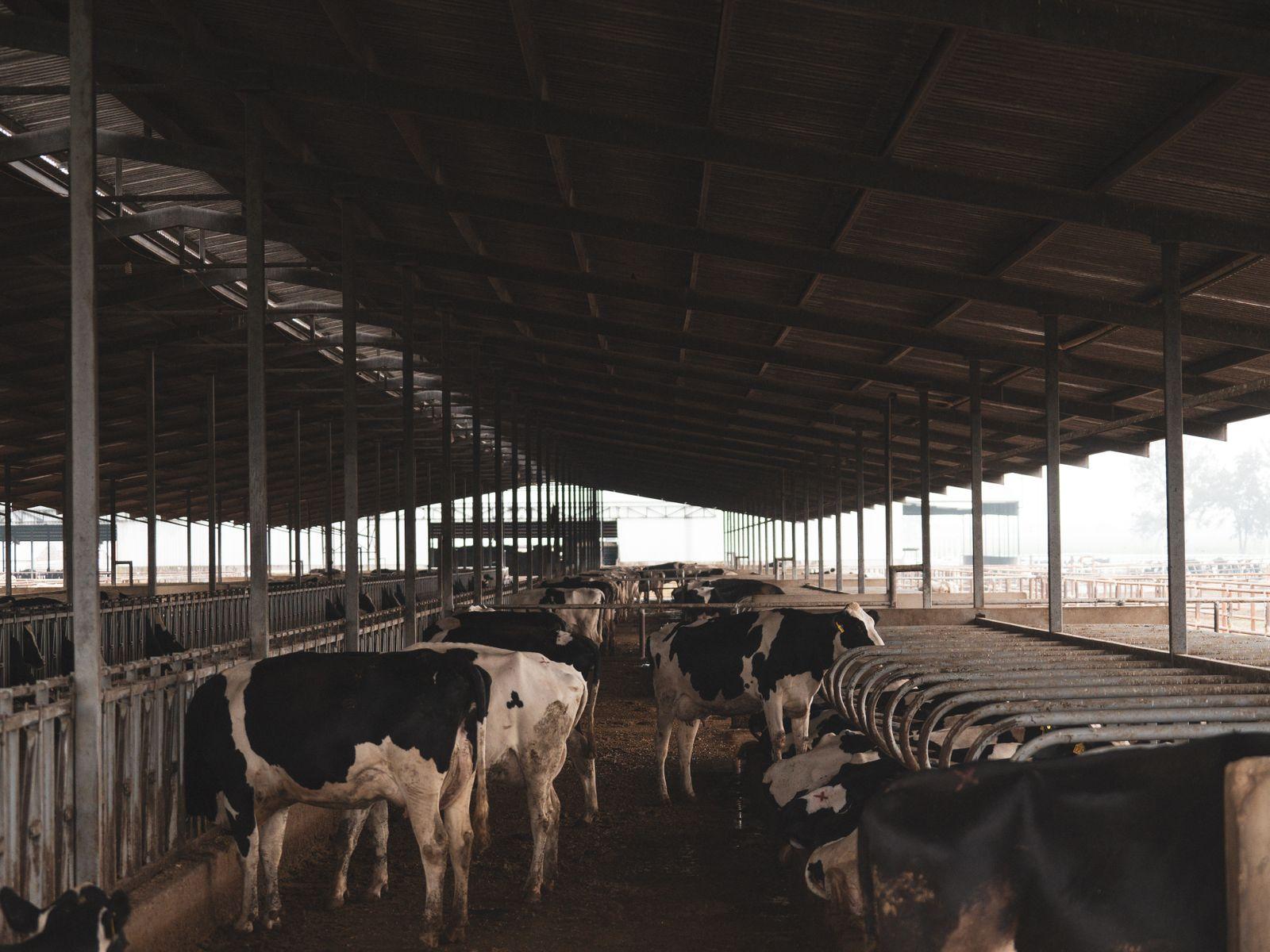
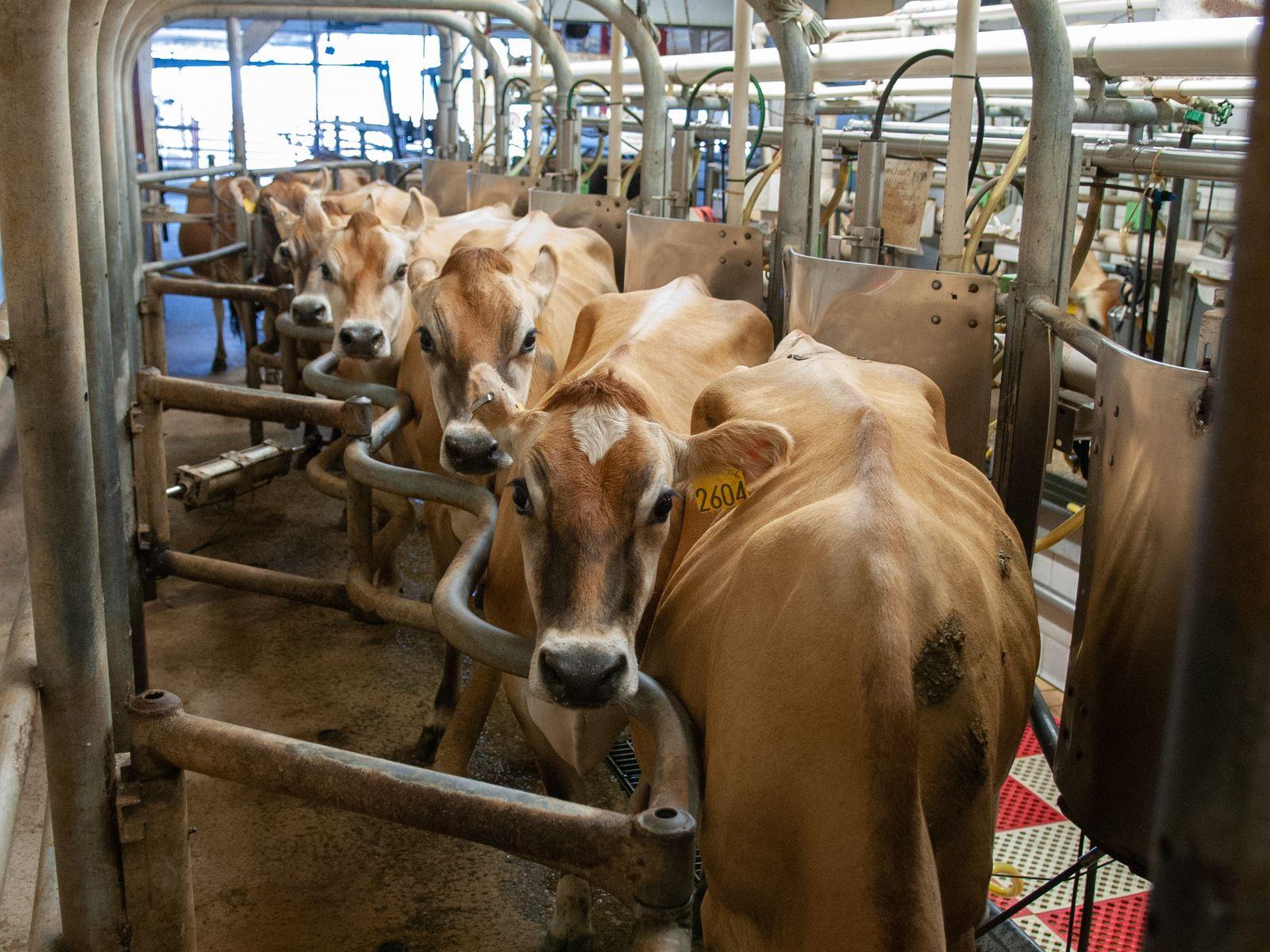
The gap between a 12-litre cow and a 45-litre cow is rarely one big secret — it's several small things done consistently. Here's where to focus first.
Most farmers who ask us how to increase milk yield expect a single answer. In reality, the difference between an average cow and one milking 45–50 litres a day comes from stacking several improvements — genetics, feed, water, comfort, health, and records — until they compound. Here is the order we'd tackle them in.
1. Start with the genetics
You cannot feed a low-potential cow into a high-yield cow. Her ceiling is set by her genetics. High-genetic-merit Holstein-Friesians bred from proven, high-yielding dams will out-produce unimproved stock on the same feed. If your herd's genetics are weak, the fastest route to more milk is upgrading — either by buying in-calf heifers from a records-backed herd or by using a performance-tested bull to lift the next generation.
2. Feed for the yield you want
High yield is roughly 60% genetics and 40% feed. A cow producing 40+ litres needs energy and protein well beyond maintenance. Build the ration around good forage — quality Napier, well-made silage, and legumes such as desmodium or lucerne — then top up with a dairy meal balanced for protein. Feed little and often, and never let a high-producing cow run out of forage.
- Offer forage ad-lib; a lactating cow should eat 3–4% of her body weight in dry matter daily.
- Match dairy meal to production — roughly 1 kg of meal for every 2–2.5 litres above maintenance.
- Introduce ration changes gradually over 7–10 days to protect the rumen.
3. Give unlimited clean water
Milk is nearly 87% water. A cow milking 40 litres may drink 120–150 litres of water a day. If water is dirty, far away, or rationed, milk drops before you notice anything else. Place clean water within easy reach of the feeding and resting areas, and check troughs daily.
4. Fix cow comfort
A cow makes milk lying down, chewing cud. Every hour she stands in mud or heat is milk lost. In a zero-grazing unit, provide a dry, well-bedded lying area, shade, and good ventilation. Cool, comfortable cows eat more and milk more.
5. Get the milking routine right
Milk at consistent times, ideally with even gaps between milkings. Clean, gentle, complete milking with good let-down keeps the udder healthy and signals the cow to produce more. Practise strict hygiene to prevent mastitis, which quietly steals litres.
6. Stay on top of health
A sick cow is an unprofitable cow. Keep a routine for deworming, tick control, and vaccination, and treat mastitis and lameness early. Body condition matters too — cows that calve down too thin or too fat never reach their peak.
7. Keep records
You cannot improve what you do not measure. Record daily milk per cow, feeding, service and calving dates, and health events. Records reveal your best and worst cows, show whether a change is working, and are the foundation of a herd that keeps getting better.
None of these steps is dramatic on its own. Done together, consistently, they are how a farm moves from surviving to milking 45–50 litres a cow.
If you'd like a second opinion on your herd or feeding programme, our team in Githunguri is happy to help — and if the limiting factor is genetics, we can point you to the right animals.