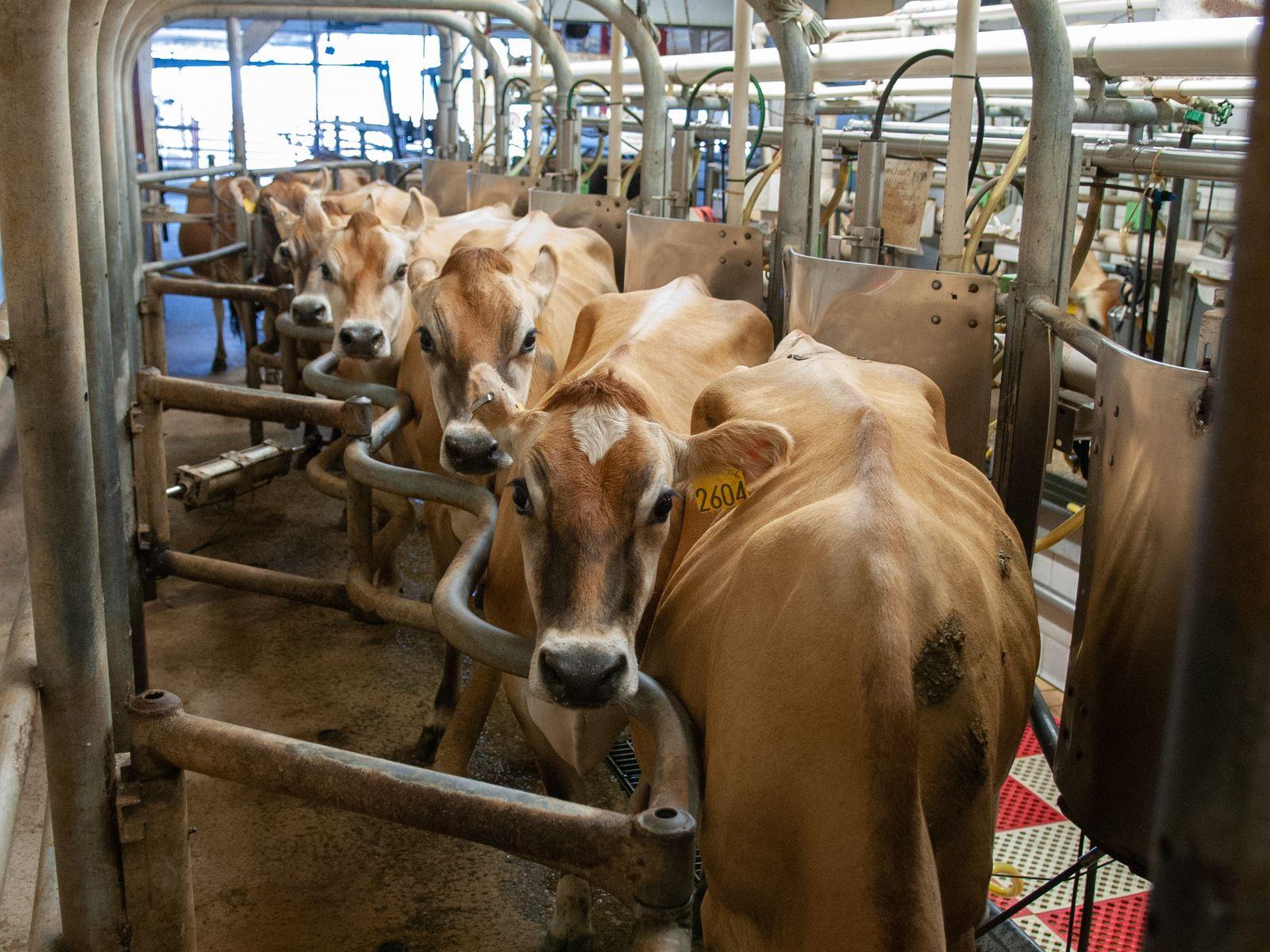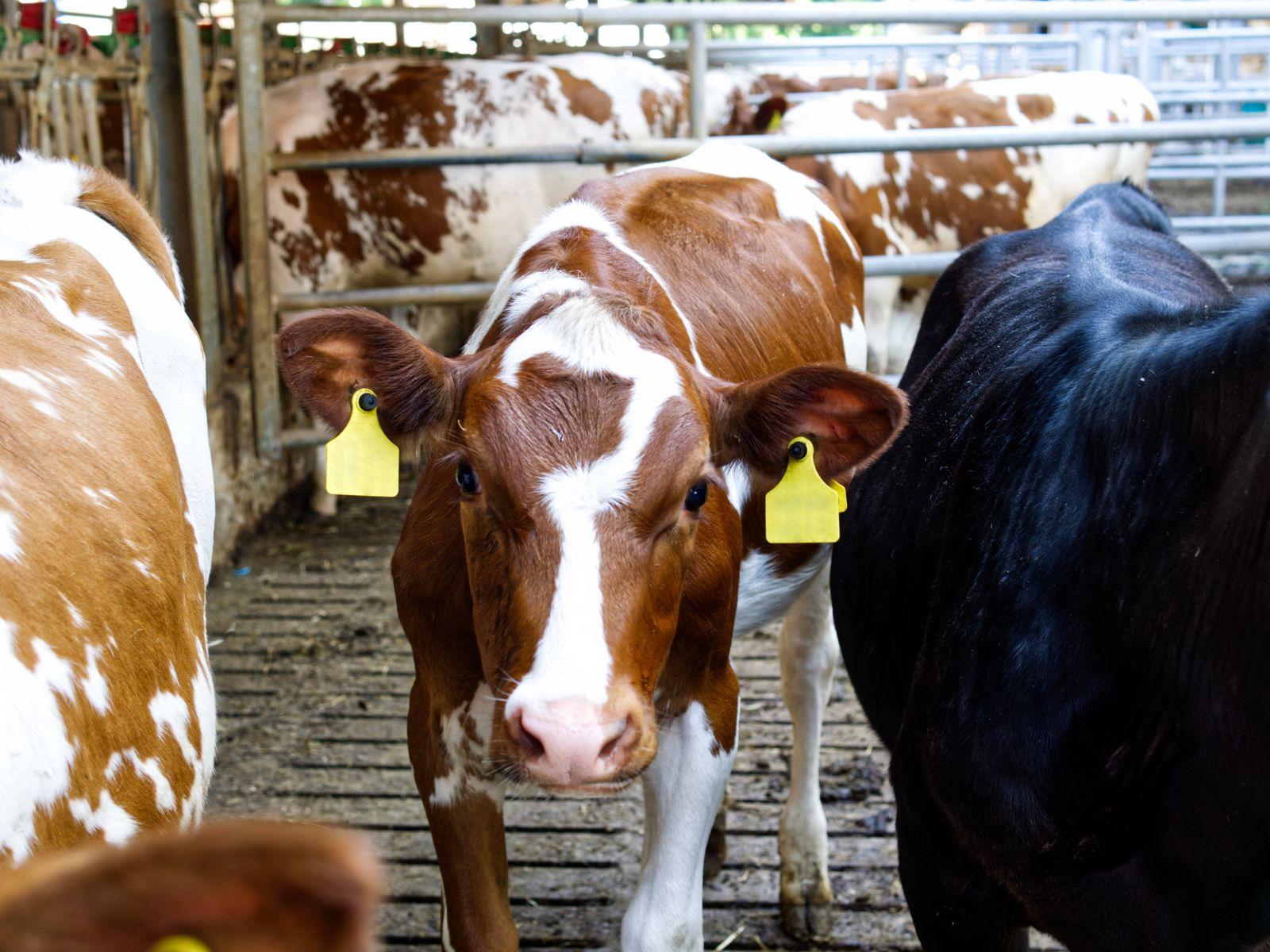
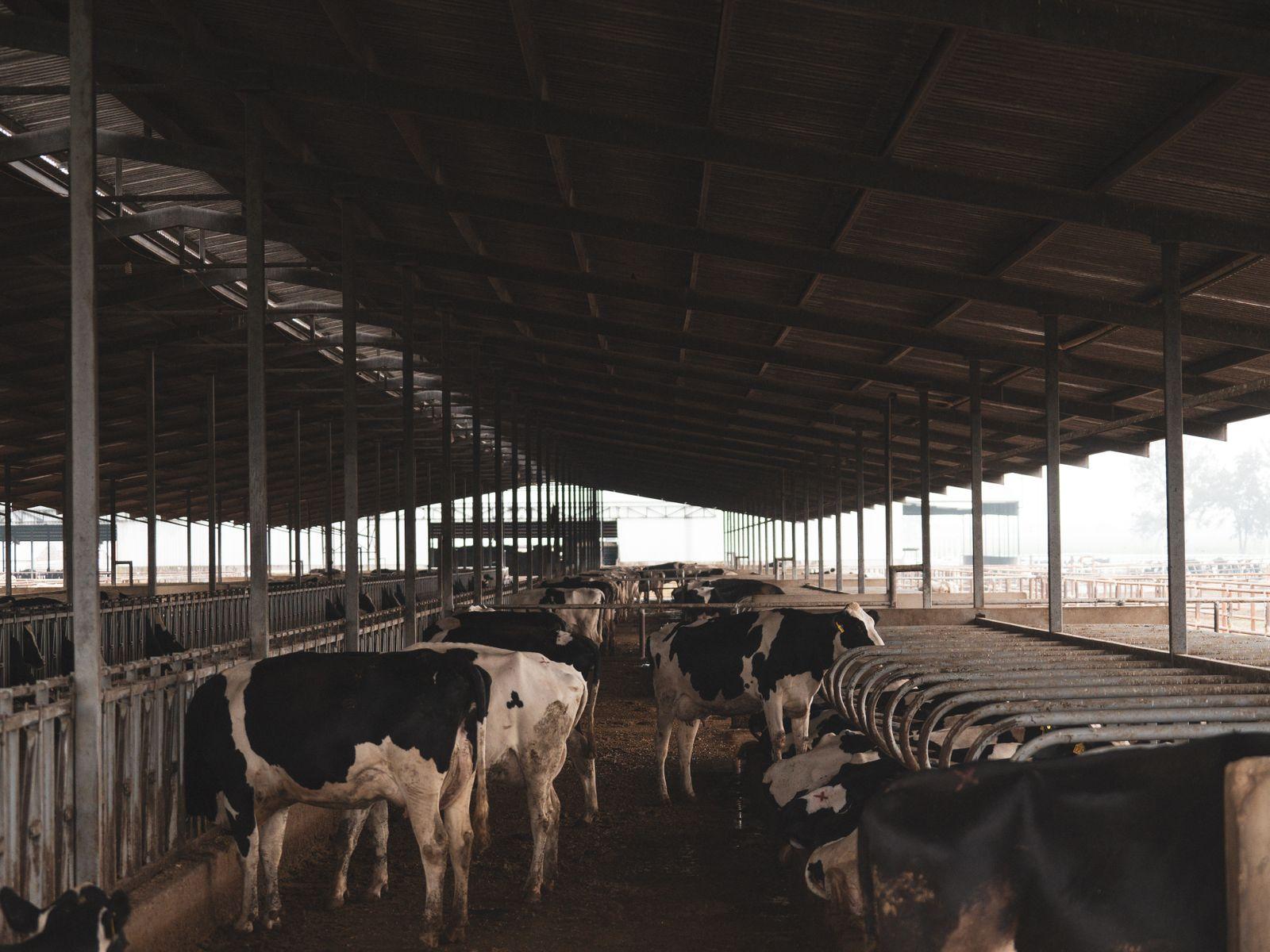
Done right, a zero-grazing unit lets a small plot support high-yield cows. Done wrong, it becomes a wet, disease-prone money pit. Here's how to build it properly.
Zero-grazing — keeping cows in a housed unit and bringing feed to them — is how many Kenyan farmers run high-yield dairy on small plots. It concentrates production, saves land, and makes feeding and manure management easier. But a poorly designed unit becomes wet, muddy, and full of disease. Here's how to get the basics right.
Plan the space per cow
Crowding is the most common and costly mistake. Each mature cow needs enough room to lie down, stand, and feed comfortably. As a rough guide, plan for around 6–8 square metres of covered space per cow, plus separate areas for feeding, resting, and a calf pen. Build for a few more animals than you have today so you can grow without rebuilding.
Get the layout and orientation right
Orient the unit to catch morning sun and prevailing breeze for ventilation, while providing shade from the midday heat. A workable layout separates: a feeding passage with a feed trough the cow reaches without stepping into feed; a comfortable lying/cubicle area; a milking spot; and a walkway. Keep clean and dirty areas apart.
- Feeding area with a raised, smooth feed trough and a head rail.
- A dry, bedded lying area or cubicles — never bare, wet concrete.
- A clean water trough within easy reach at all times.
- A calf pen away from the main herd.
- A slurry/manure channel and collection point.
Floors and drainage make or break it
Wet floors cause lameness, mastitis, and misery. Lay a concrete floor with a gentle slope (about 2–3%) toward a drainage channel so urine and washing water run off quickly. Roughen the surface enough to stop cows slipping, but keep it smooth enough to clean. The lying area should stay dry and bedded with sawdust, straw, or a mattress.
Plan feed and water before you build
A zero-grazing cow depends entirely on you for feed. Before you build, secure a reliable forage supply — an established Napier plot, silage, and legumes — and space to store it. Site the feed store and water source to minimise carrying. Cows should have forage and clean water available at all times.
Turn manure into an asset
A single cow produces a lot of dung and slurry. Channel it to a collection pit or biogas digester rather than letting it pool in the unit. Managed well, manure fertilises your Napier and crops — or fuels a biogas unit for cooking — turning a waste problem into free inputs.
Common mistakes to avoid
- Overcrowding — squeezing in more cows than the unit is designed for.
- Poor drainage — flat, wet floors that breed disease and lameness.
- Under-planning feed — building the unit before securing the forage.
- No shade or ventilation — hot, stuffy units cut intake and milk.
- Ignoring the calf pen — young stock are your future herd.
Build for the cow, not just the budget: dry floors, room to lie down, feed and water within reach, and manure heading out — that's a unit that pays.
Planning a new unit or scaling up? We advise farmers on unit design, herd sizing, and the economics of a profitable dairy — get in touch and we'll help you plan it.